
In an ideal world, your warehouse runs like a well-orchestrated dance. Inventory flows in and out without interruption, orders ship on time and nothing goes missing. Reality, especially in a manual warehouse, looks different. Here's each challenge we see hold operations back most, and a practical way forward.
1. Inefficient use of warehouse space
Traditional warehouses store more air than inventory. Shelving barely reaches into tall ceilings, wide aisles eat the floor, and poor layouts force pickers to hunt for items across the building. The result: you pay for space you never use, and every wasted square foot slows fulfillment down.
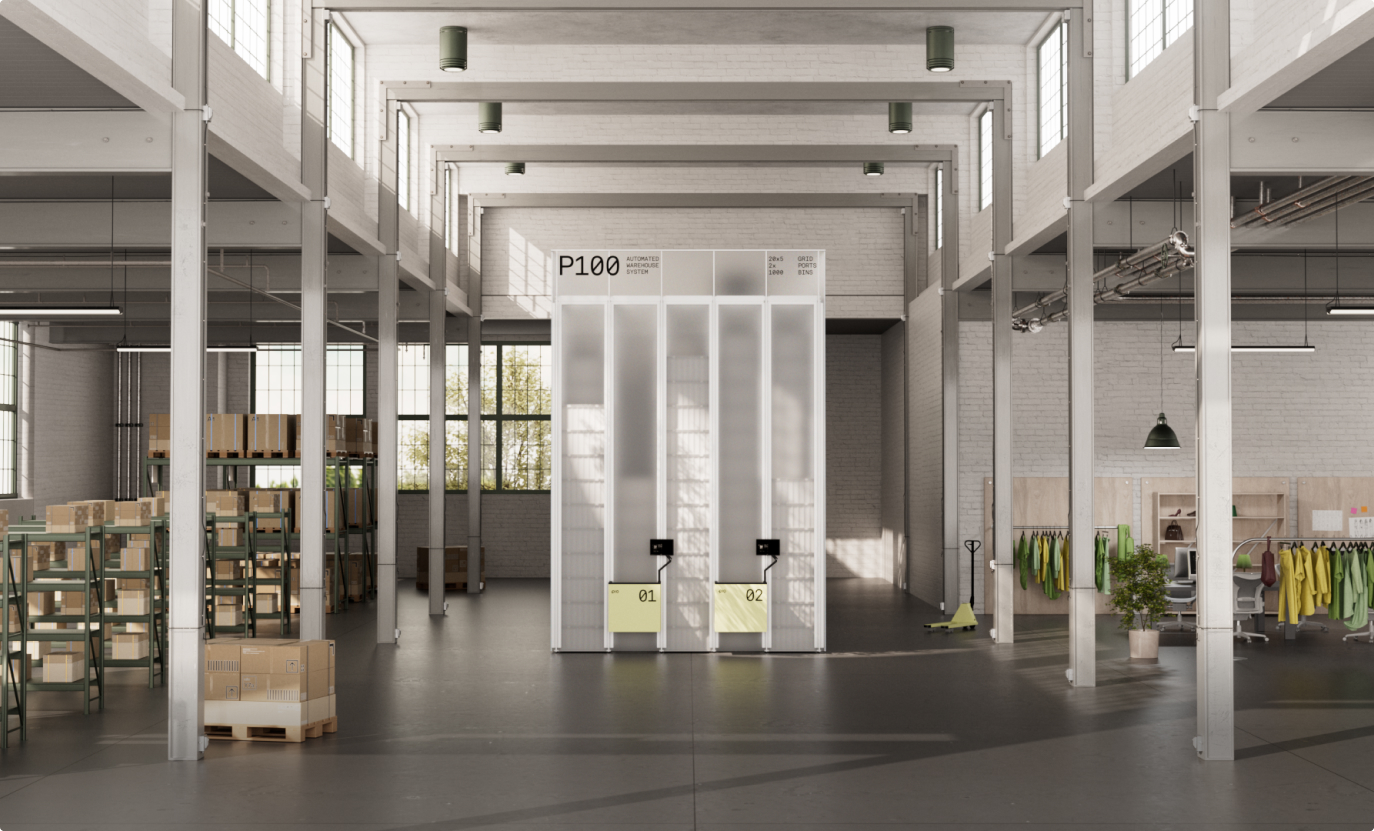
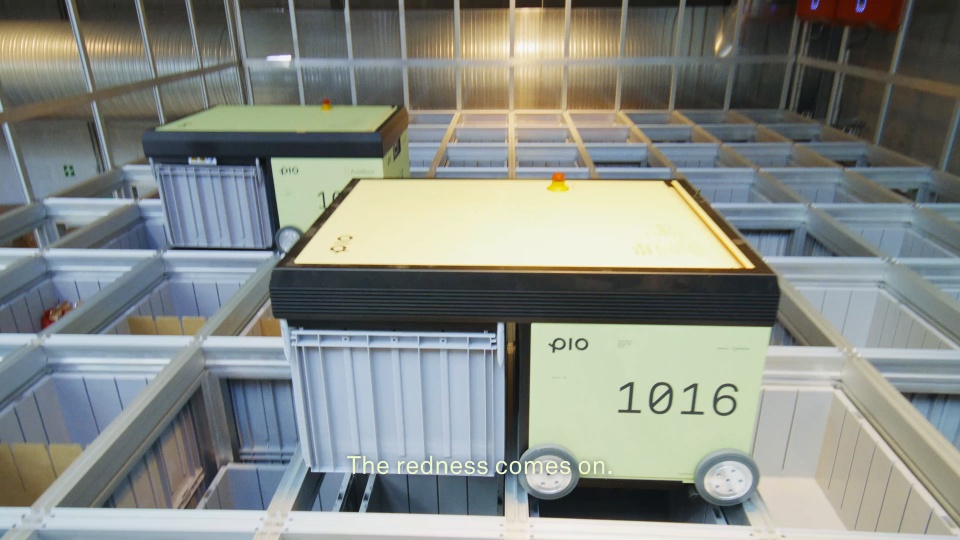
The solution: Start with layout. Extend racking vertically, add mezzanines, or tighten aisle widths where equipment allows. If you've outgrown those fixes, an automated storage and retrieval system (AS/RS) changes the math entirely. Cube storage stacks bins directly on top of each other, with no aisles and no gaps, and needs up to 90% less space for the same inventory. Robots retrieve it for you. More ideas in how to maximize warehouse space without moving.
2. Inaccurate inventory management
Manual record keeping is notoriously error-prone. When workers track goods by hand, one mislogged SKU or misplaced bin ripples through the whole operation: overselling, stockouts, orders fulfilled from the wrong location and hours lost to recounts. Your system says one thing, your shelves say another.
The solution: Take humans out of the tracking, not the decisions. Inventory software connected to your sales channels gives you real-time inventory levels, so you know what you have, where it sits and when demand will spike. Pair it with automation that logs every bin movement, and inventory accuracy stops being a weekly firefight and becomes a number you can trust. More on getting it right in improving and understanding order accuracy.
3. Slow, inefficient picking
Picking is where most fulfillment time goes, and most of that time is walking. In a manual warehouse, a picker spends the bulk of each order traveling between locations, not picking. Slow picking delays orders. Inaccurate picking creates returns and inventory errors that delay even more orders.
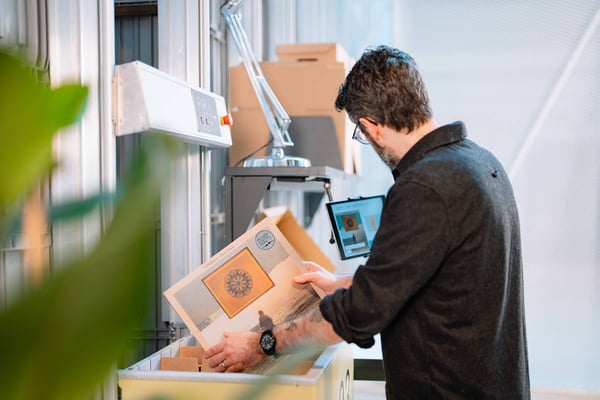
The solution: Cut the travel. Slot high-demand SKUs at easy access points so your fastest movers take the fewest steps, and batch orders so one trip covers several. Better yet, flip the model with goods-to-person automation: robots bring bins to a port, the picker stays put, and picking gets up to 5x faster, at up to 170 order lines per hour with 99.9% accuracy. See how goods-to-person picking works.
4. Labor shortages, turnover and overtime costs
Warehouse labor is the challenge that compounds all the others. Open roles stay unfilled, experienced workers leave, and the team that remains covers the gap with overtime.
In retail and ecommerce especially, overtime has predictable causes:
- Seasonal and campaign peaks like Black Friday, holidays and product drops
- Understaffed shifts when roles stay open or people call in sick
- Manual processes, like walk-and-pick, that simply take too long per order
- Split inventory, when a retailer fulfills online orders from store stock and a backroom at the same time
It also has predictable costs. Overtime pay inflates your cost per order, tired workers make more picking errors, and sustained overtime drives the burnout that causes more turnover. The cycle feeds itself.
The solution: Attack the causes in order.
- Fix process waste first. If pickers walk for most of their shift, you're paying overtime for travel time. Slotting and layout improvements reclaim hours before you spend anything on technology.
- Cross-train your team. When everyone can receive, pick and pack, demand spikes get absorbed by flexibility instead of longer shifts.
- Automate the walking, not the people. Goods-to-person systems remove the most physically draining part of the job and can cut manual work by up to 80%. The same team handles far more orders in a standard shift, which is how you end overtime without ending jobs. Vakre Vene now ships campaign orders the next day with one third of the people.
- Move people, don't just cut hours. As automation absorbs repetitive tasks, move people into quality control, returns and customer-facing work where human judgment earns its keep. Less grinding work and more skilled work also pays off in retention.
Planning for the next peak? Read how to prepare your warehouse for Black Friday. Wondering what this means for your team? Read will robots take warehouse jobs?
5. Rising customer expectations for delivery speed
Customers are used to next-day delivery from giants like Amazon, and they bring those expectations to every checkout. For small and mid-sized businesses running manual fulfillment, matching that speed feels impossible: the giants have more buildings, more trucks and more people.
The solution: Compete on what you control. Sharpen your cut-off times by speeding up the pick-and-pack cycle, keep inventory closer to demand through multiple sites or in-store inventory, and choose systems that scale with order volume, so a strong quarter doesn't require a warehouse rebuild. You don't need Amazon's network to ship fast. You need a warehouse that turns orders around the same day they land. Here's how Privada Cigar Club went from three-week backlogs to shipping 6x faster.
6. Complex multichannel order management
Orders no longer come from one place. Your own site, marketplaces, social channels, B2B accounts and a physical store all feed the same warehouse. Without connected systems, every channel becomes its own source of inventory conflicts, missed orders and fulfillment errors.
The solution: One source of truth. Connect your warehouse management system (WMS) with your ecommerce platform and ERP so every order, from every channel, flows into a single queue with live inventory behind it. When systems talk to each other, your team stops reconciling spreadsheets and starts shipping orders. Here's how to integrate a WMS with ecommerce and ERP.
7. Hard-to-measure warehouse performance
You can't fix what you can't see. Manual operations rarely have reliable numbers for picking speed, order accuracy or cost per order, because the data lives in paper logs and memory. Without a baseline, every improvement effort is a guess.
The solution: Pick a handful of KPIs that matter (order lines picked per hour, order accuracy, on-time ship rate, cost per order) and get a system that measures them automatically. A WMS or automated system logs every pick and every error as a byproduct of doing the work. Once the numbers are visible, the next bottleneck usually is too. Not sure where you stand? These are the 3 signs it's time to automate.
How to solve several warehouse challenges with one system
There's rarely a single fix for every warehouse challenge. But cube storage automation comes close: it shrinks your storage footprint, tracks inventory automatically, brings goods to your pickers, takes the overtime pressure off your team and logs the performance data you've been missing.
Pio – Created by AutoStore brings that technology to small and mid-sized ecommerce brands, retailers, 3PLs, distributors and manufacturers. A standard P100 installs in as little as 5 days, and pickers are trained in as little as 5 minutes. Automation brings its own challenges too, so here's how to handle them.
Frequently asked questions
What are the most common warehouse management challenges?
The most common are inefficient use of space, inaccurate inventory, slow picking, labor shortages and overtime costs, rising delivery expectations, multichannel order complexity and poor performance visibility. Most trace back to manual processes that stop scaling as order volume grows.
How do you reduce warehouse overtime?
Fix process waste first, with better slotting and layout. Cross-train your team so peaks are absorbed by flexibility instead of longer shifts. Then automate the walking: goods-to-person systems can cut manual work by up to 80%, so the same team handles more orders in a normal shift.
How do you control warehouse labor costs?
Measure where labor time goes first. In most manual warehouses, walking between locations is the biggest cost, followed by fixing errors. Better slotting and batch picking cut travel, cross-training reduces overtime, and goods-to-person automation removes most of the walking, so the same team can handle more orders without longer shifts.
What are the biggest challenges in retail warehousing?
Retailers usually struggle with full backrooms, inventory split between the store and online orders, staff spending too long finding products, and peaks driven by campaigns and holidays. Keeping one accurate inventory for every channel and storing backroom stock more densely solves most of them.