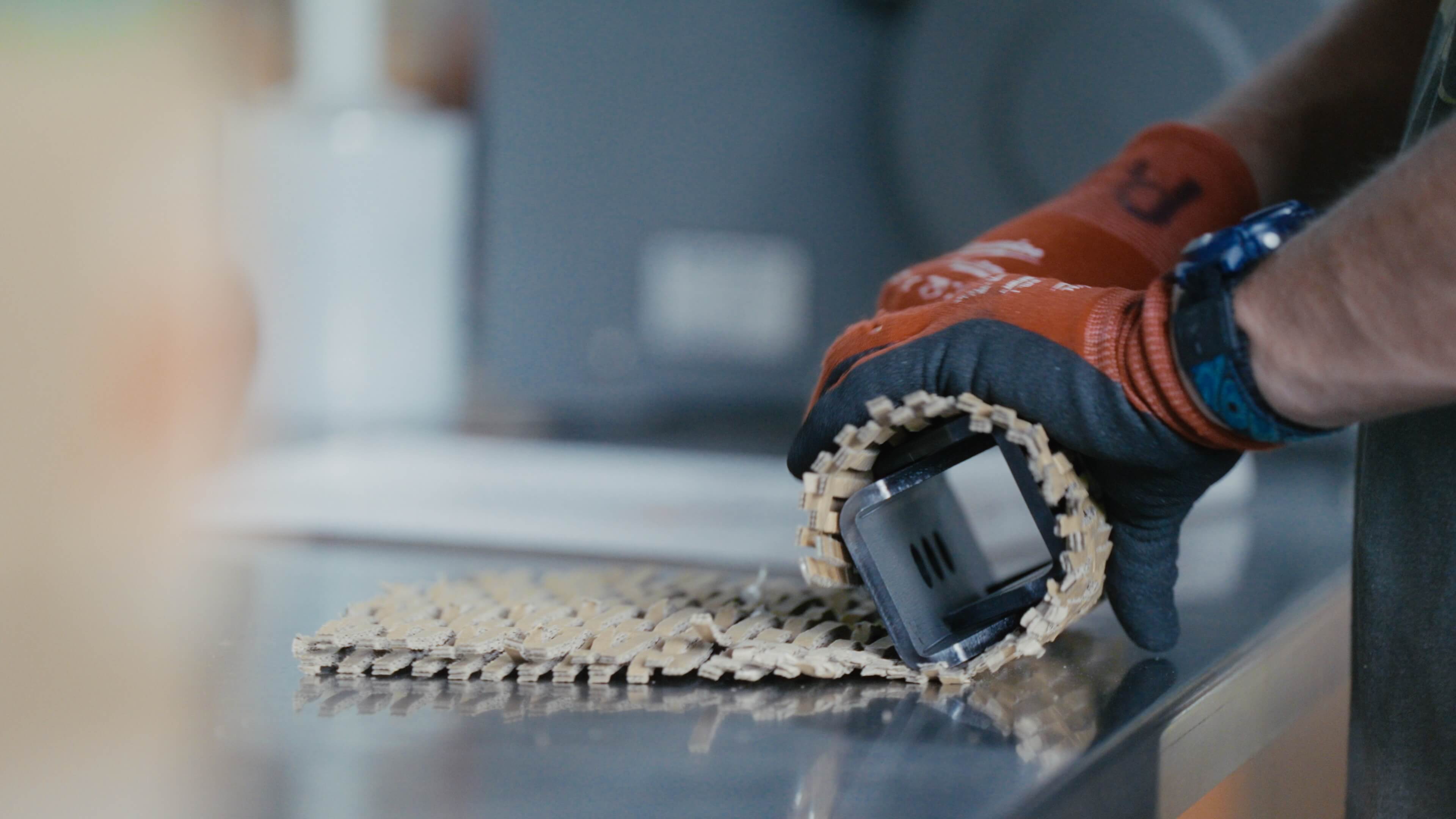
Warehouse automation for industrial and manufacturing operations
When industrial storage becomes a bottleneck:
- Storage takes up too much floor space
- Too much time spent finding parts and kits
- Manual processes slow down production
- Warehouse space is limited and expensive
Industrial use cases
Take advantage of unused storage, up to 22 ft of vertical space.
Instead of manually picking hundreds of order lines, pick 5 complete kits.
Less manual searching and picking, fewer touches, faster execution.
Keep production supplied with the components, materials, and kits needed to keep work moving.
Parts are stored centrally and delivered to the operator when needed.
Keep finished goods organized and ready to ship.
Store a full pallet delivery in days, not the usual week.
Why Pio works well for industrial operations
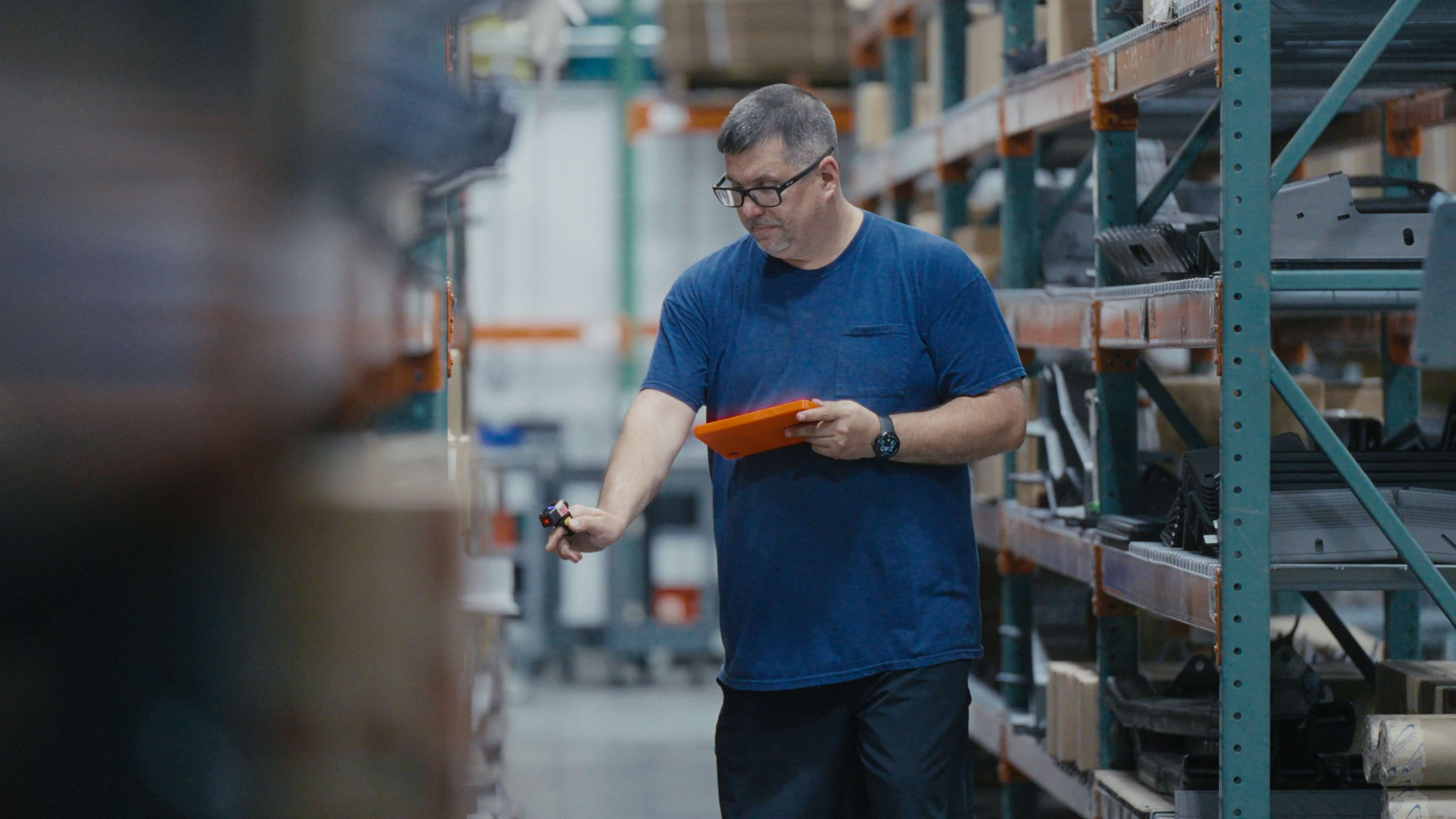
Know exactly where your inventory is, and reduce errors.
No integration needed. Upload work orders as CSV files and you're ready to go.
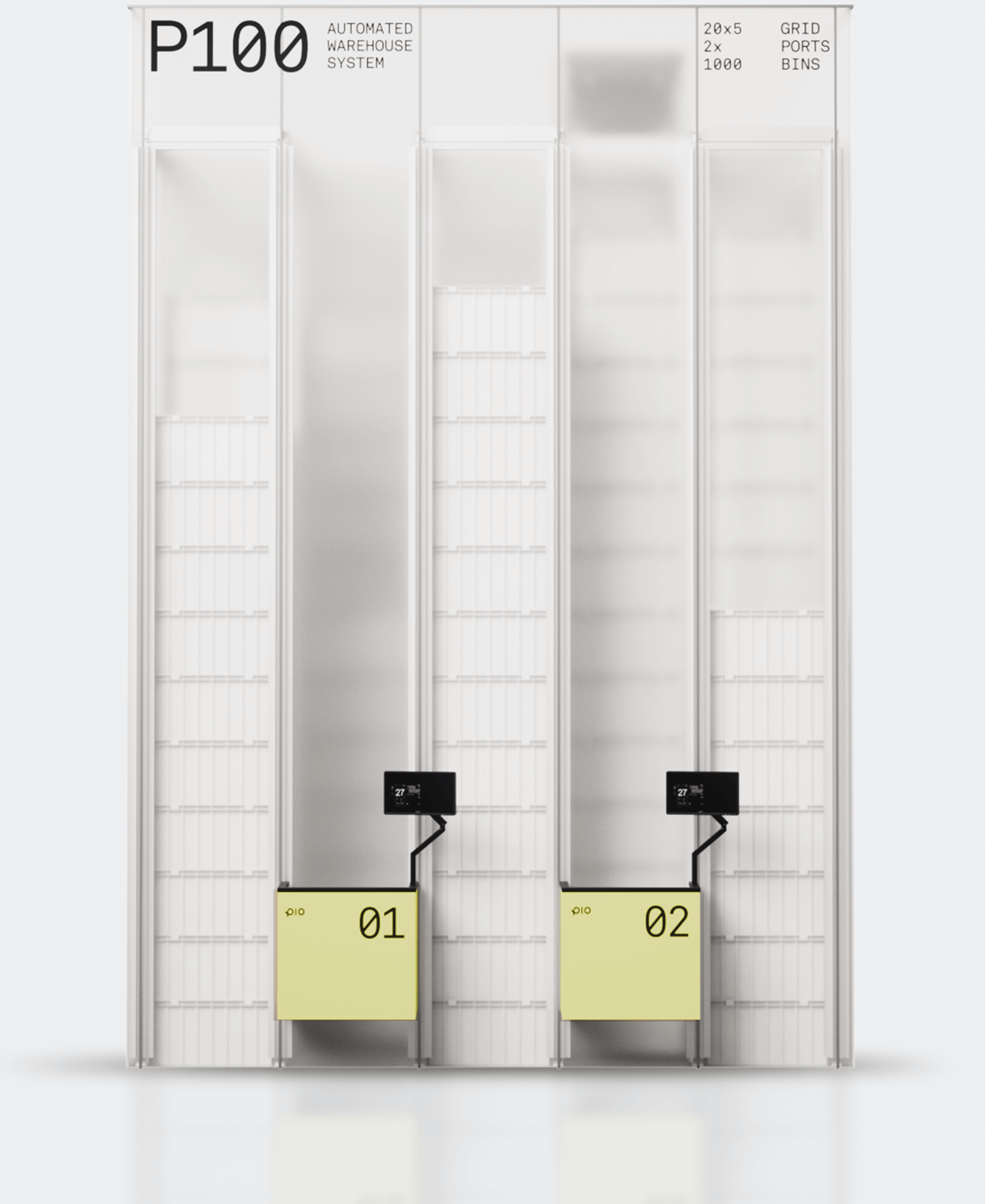
A vending machine for parts. Retrieve your inventory on demand, fast, and without searching through shelves.
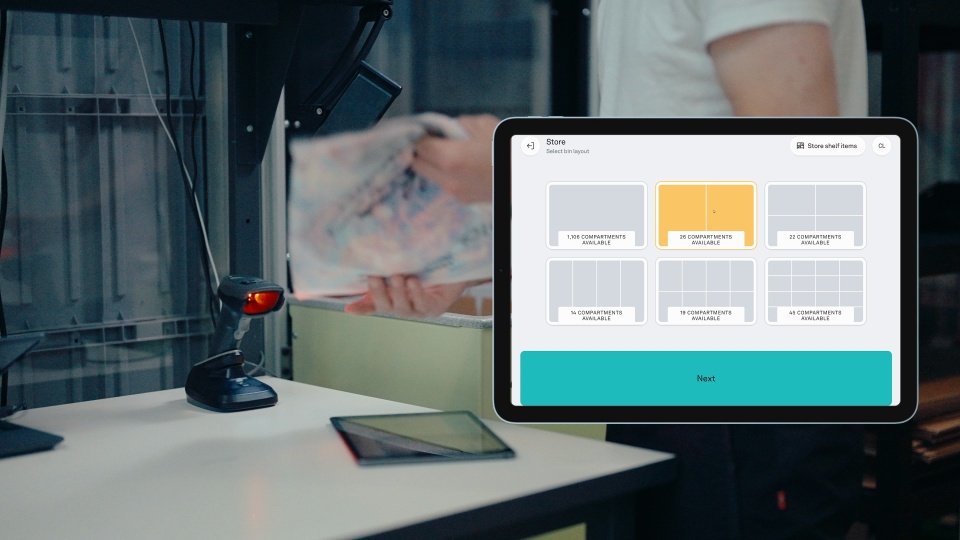
Easy to use, easy to control. Manage inventory, track movements, and guide operators through daily tasks directly in the Pio App.
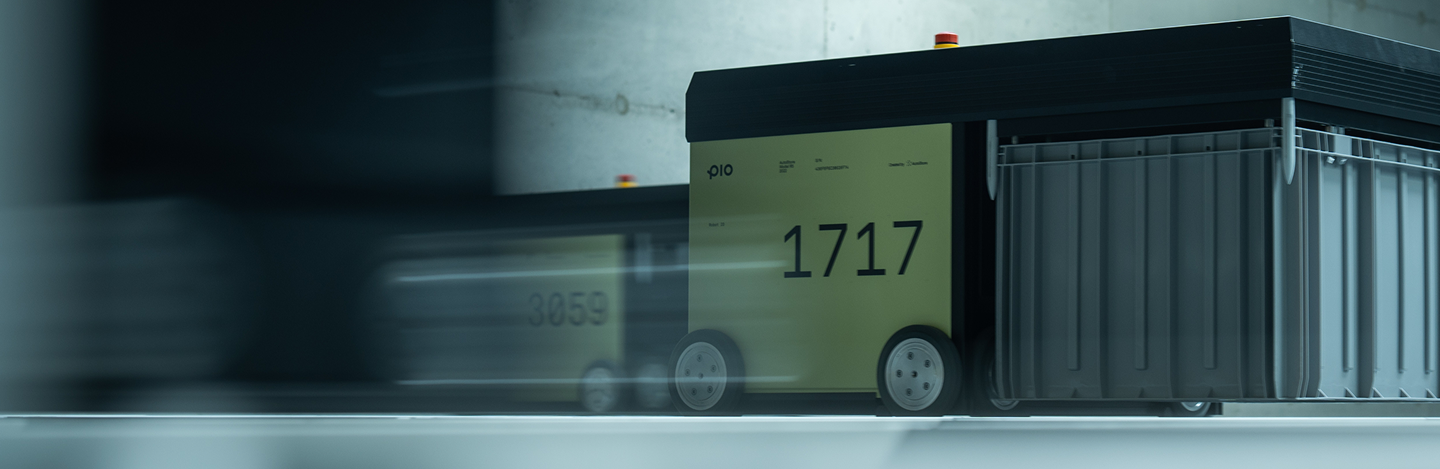
Pio combines automated storage with native work orders and kitting. The result is a warehouse automation solution that fits manufacturing operations without the complexity of enterprise systems.

More throughput.
Less friction.
See how Pio helps industrial teams move more inventory, reduce picking complexity, and keep production running.
Built to make industrial operations more efficient
Resources

Frequently Asked Questions
Pio helps manufacturing and industrial businesses automate storage, picking, kitting, work orders, and inventory management within a compact warehouse footprint.
Warehouse automation can help manufacturers reduce time spent walking, searching, picking, and putting inventory away.
It can also improve inventory control, increase throughput, make better use of warehouse space, and help keep production supplied with the parts and components it needs.
Pio uses high-density cube storage to make better use of both floor space and vertical space, reducing your storage footprint by up to 90% compared to traditional shelving. That lets industrial businesses store more inventory in a smaller space.
Yes. Pio can be used to store parts, components, spare parts, and other inventory that fits within the system's bins. One bin can hold up to 16 different SKUs (stock-keeping units).
Inventory is stored in a high-density automated system and brought directly to the operator when needed.
Industrial warehouse automation with Pio starts from $146,700, plus subscriptions from $4,396/month.
Explore Pio pricing here →
Final costs vary depending on configuration and project requirements, with shipping, tariffs, permitting, and service-level agreements priced separately.
Pio can store a wide range of parts, components, spare parts, tools, kits, and finished goods that fit within the system’s bins and weight limits. This can include everything from small fasteners and electronic components to larger mechanical parts and pre-assembled kits.
Anything that fits within the bin dimensions, 15.9 × 23.7 × 12.3 in (403 × 603 × 312 mm), and weighs up to 66 lb (30 kg) in total can be stored in Pio.
For items that are too large or heavy for the automated system, Pio also supports manual shelf picking. This means both shelf inventory and inventory stored inside Pio can be managed and picked through the same Pio App.
No integration is required to get started. Inventory and work orders can be uploaded using CSV files, allowing industrial businesses to use Pio without a complex software integration.
If you do need an integration, Pio can connect with ERP and WMS systems through its Open API.
Warehouse automation for manufacturing with Pio starts from $146,700, with subscriptions from $4,396/month. Pricing scales with the number of robots and ports your throughput requires, so a small parts room and a full production line aren't priced the same.
Additional costs like shipping, tariffs, permitting, and service-level agreements apply.