.webp?width=48&name=Employee-photos--3-2%20(1).webp)



Kattnakken was founded in 2013 with a simple idea: rain should be enjoyed, not avoided. From their base on the island of Stord, the brand created colorful, durable rainwear that quickly became a favorite among Norwegian families.
As demand kept rising, so did the pressure on the warehouse. During busy periods, everyone jumped in to help. It was great for team spirit, but not for focus, as people were pulled away from the work that actually drives the business forward.
“Everyone was helping out in the warehouse. It was great for team building and a lot of fun, but it also meant we couldn’t focus on what we really wanted to do, growing the company and taking care of our customers.”
Nicholas Hoddevik
CEO of Kattnakken
Eventually, the team faced a choice: hire five more people just to keep up, or rethink the entire warehouse setup. For Kattnakken, the answer had been in the back of their minds for years.
Best warehouse automation for SMBs
Kattnakken had known about robotic warehouse systems for years. It was always something they wanted to bring into their operations, but the timing had to be right.
As the company grew, the pressure on the warehouse increased. When the right moment came, they moved forward with a solution they already believed in: Pio.
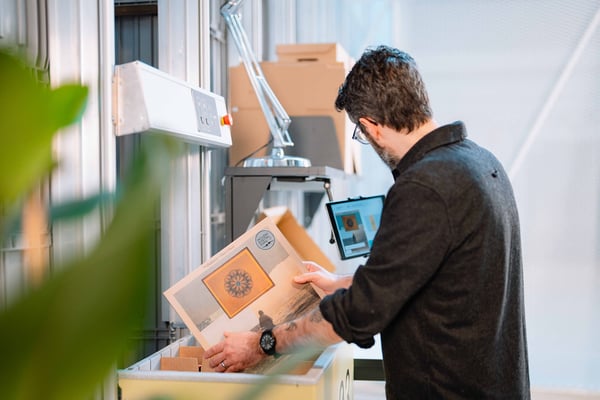
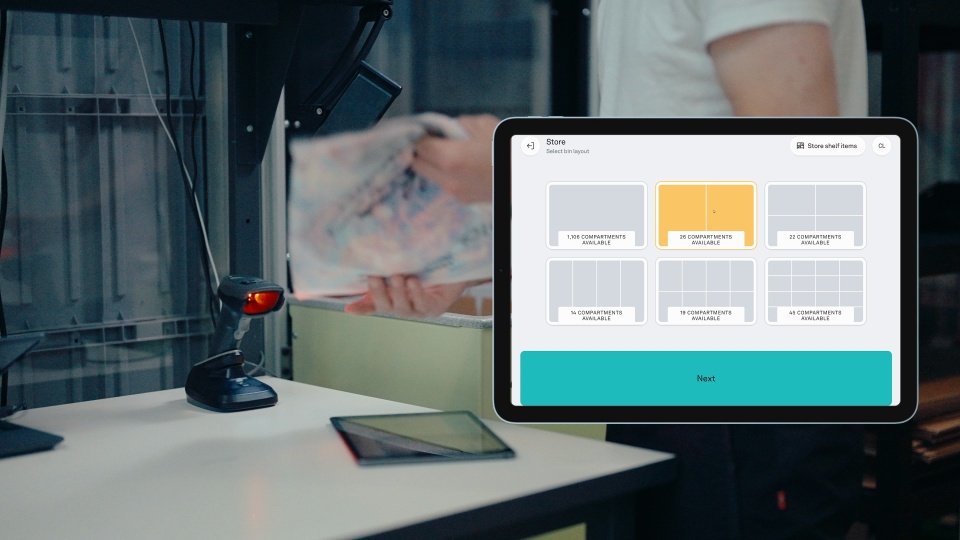
Pio offered a compact warehouse automation solution that fit into their existing space and simplified daily work. Instead of employees walking the floor to find items, products were brought directly to them, cutting the long walks that slowed Kattnakken down during busy periods. The result: less walking, fewer errors, and faster picking and packing.
Once the system was in place, the impact was immediate. What used to feel chaotic became structured and easy to manage, and the team could finally focus on their actual roles again.
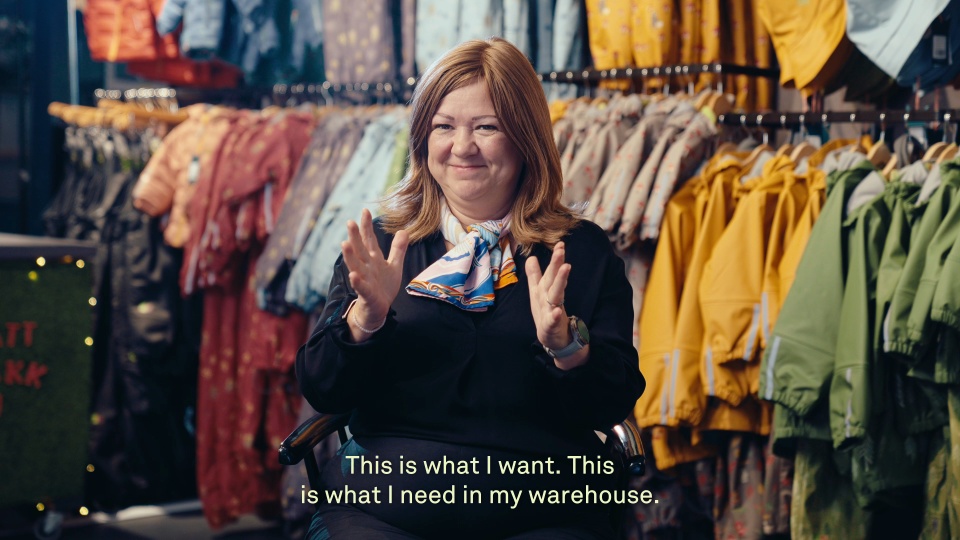
“Now the people who are doing marketing can do the marketing, because they don’t need to go out and pick and pack. It’s a big change. It’s a game changer.”
Silje Vatne Ersland
Founder of Kattnakken
Warehouse automation results and impact
After implementing Pio, the change was clear almost immediately. What had been a constant rush became more controlled, and the team no longer had to drop everything to help out in the warehouse. People could stay focused on their own work, knowing fulfillment was running smoothly in the background.
Picking and packing were no longer the bottleneck. Even after busy weekends, the warehouse stayed calm and predictable. With that stability, the team could plan ahead and take on new campaigns without worrying about whether operations could keep up.
Behind the scenes, the improvements were just as important. With less walking and more efficient picking, the team could handle more orders with fewer people and make better use of their existing space.
The results were clear:
-
140% growth in a single year
-
5,000+ orders fulfilled every month
-
Faster and more accurate picking and packing
-
Teams staying focused on their roles
“When you see people coming to work on a Monday after a weekend of orders, they’re calm, they’re doing their work, and the warehouse is quiet. That’s a good moment. It shows we made the right decision.”
Nicholas Hoddevik
CEO of Kattnakken
Signs you’ve outgrown manual fulfillment
For many ecommerce brands, the shift happens gradually. More people step in to help pack orders, busy periods become harder to manage, and fulfillment starts taking time away from core work.
If your warehouse feels chaotic or stretched, you’re not alone. These are often early signs that it’s time to rethink how your operations are set up.
Common signs include:
-
More people stepping in to help fulfill orders
-
Peak periods causing stress, delays, and bottlenecks
-
Picking errors becoming more frequent
-
Space feeling tight or poorly used
-
Hiring more staff just to keep up with demand
At that point, the issue becomes clear: your operations are working harder, but not becoming more efficient.
This is where warehouse automation can make a real difference for growing businesses. It helps smaller teams handle more orders with greater accuracy, faster fulfillment, and better use of space, without needing to increase headcount at the same rate.
Modern solutions are now built specifically for SMBs. Instead of large, complex systems, goods-to-person automation brings items directly to operators, reducing walking time and making day-to-day workflows simpler, faster, and easier to manage.
What changed after automation
Warehouse automation didn’t just fix fulfillment, it changed how Kattnakken runs the business. With the warehouse operating in the background, the team got their time back. Marketing focuses on campaigns, customer teams on customers, and product on new releases.
Operations also became predictable. After busy weekends, Mondays are calm, orders are processed without firefighting, and the team can plan ahead with confidence. That’s the real shift. Growth is no longer limited by the warehouse.
This is where Pio’s scalability makes a difference. The system can start small, then expand as demand grows, scale into larger P-range setups, like the P600, and adjust robots for peak seasons, all without starting over.
In short, fewer bottlenecks, more output, and a setup that grows with the business.
Read the full Kattnakken story here: Kattnakken – Scaling smarter, not harder.