.webp?width=48&name=Employee-photos--3-2%20(1).webp)


What All Pio Systems Have in Common
Before we dive into the differences, here's what stays the same across the board:
-
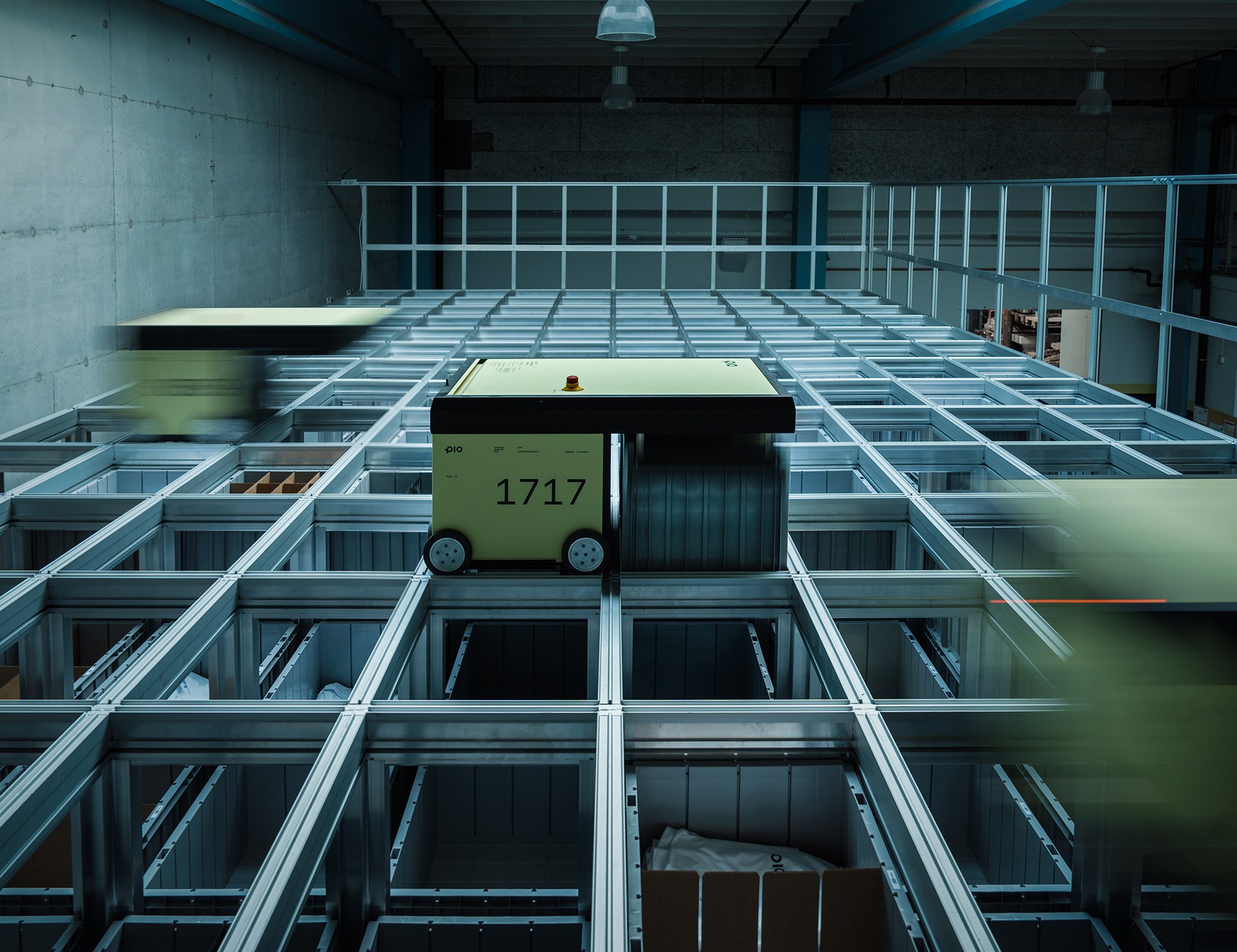
Compact, cube-based design that maximizes storage capacity, even in tight warehouse spaces
-
One-time hardware investment plus a monthly subscription, with the option to add robots for peak seasons
-
Quick install and seamless integration with your existing workflows
-
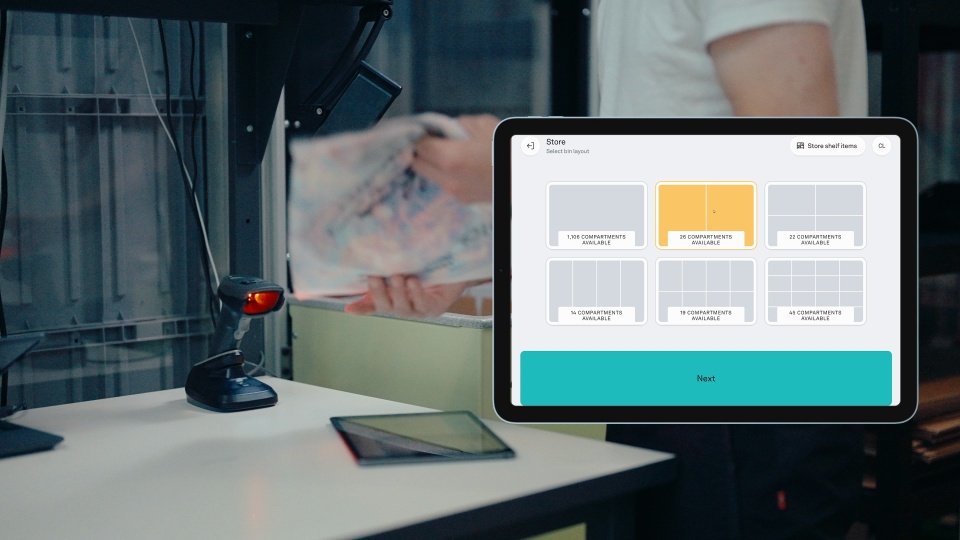
One intuitive app for picking, packing, and managing inventory
-
Robots as a Service, so your robots and software stay up to date
-
Created by AutoStore, the leader in cube storage automation
No matter which size you choose, you get enterprise-grade tech that's easy to use and designed to grow with you.
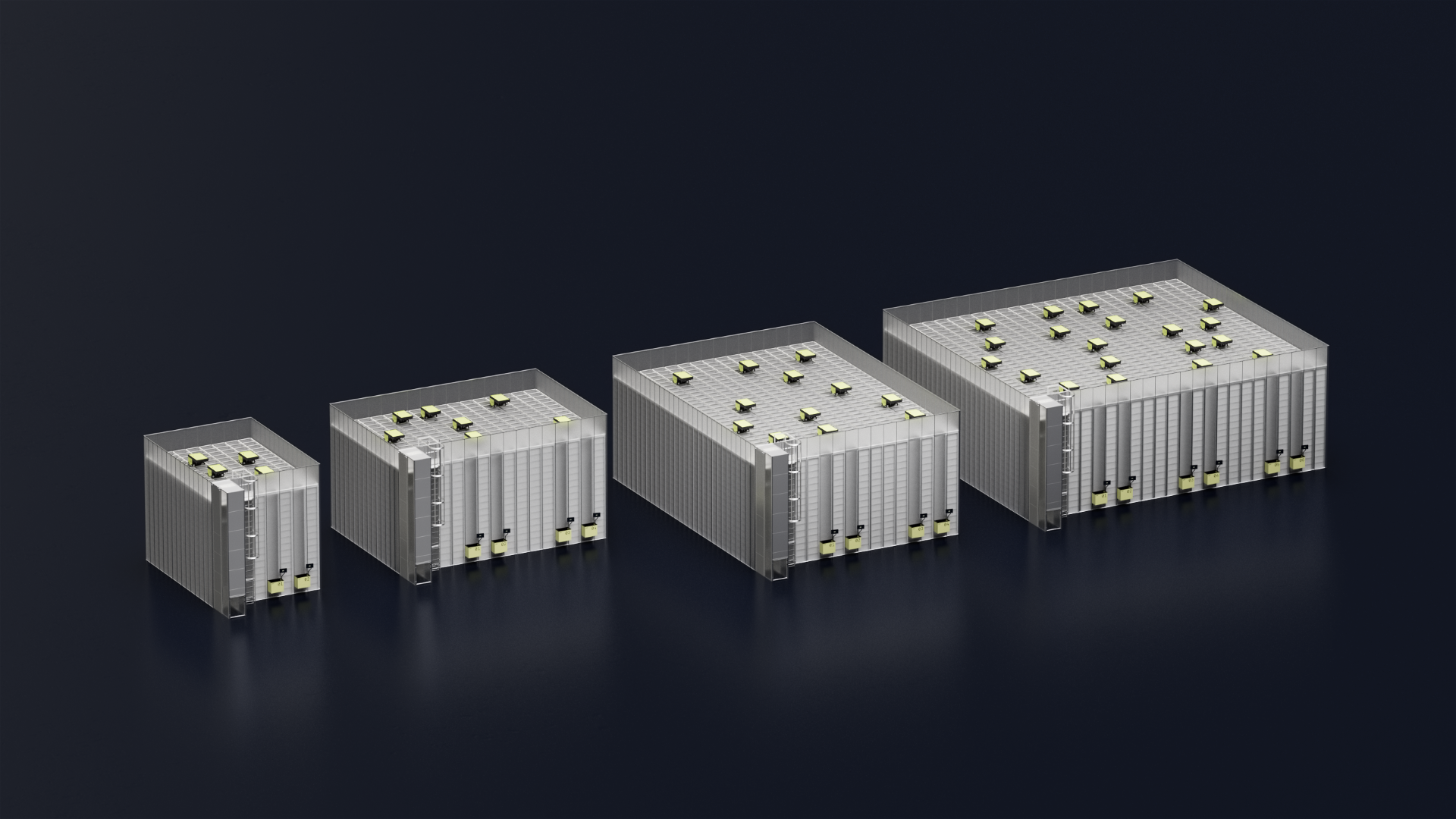
P100: For businesses just starting out
Ideal for small teams with lower order volume.
-
Bin capacity: ~650–1,345 bins (depending on ceiling height)
-
Footprint: 484ft² (45 m²)
-
Performance: Up to 340 order lines/hour
-
Perfect for: Small teams and lower throughput
One of our customers runs a tight, high-end subscription business from an 800 sq ft space, powered entirely by a P100.
Starts from $146,700 + monthly subscription
P200: For growing, multi-channel brands
Great for operations expanding into wholesale, retail, or international shipping.
-
Bin capacity: ~1,400–2,930 bins
-
Footprint: 955ft² (89 m²)
-
Performance: Up to 600 order lines/hour
-
Perfect for: Mid-sized operations scaling steadily
Think of P200 as your growing pains solution. It gives you more room without forcing a total redesign of your workflow.
Starts from $215,100 + monthly subscription
P400: For high-volume fulfillment centers
Built for businesses with growing SKUs, multiple stations, or peak season surges.
-
Bin capacity: ~3,300–6,760 bins
-
Footprint: 1888ft² (175 m²)
-
Performance: Up to 600 order lines/hour
-
Perfect for: Brands experiencing or preparing for rapid growth
If you're shipping thousands of SKUs and struggling to keep your team efficient during launches or holiday season, P400 is the upgrade that pays for itself.
Starts from $348,200 + monthly subscription
P600: For larger warehouses with high capacity needs
Our largest standard system, for operations that need serious scale and control.
-
Bin capacity: ~5,035–10,265 bins
-
Footprint: 2818ft² (262 m²)
-
Performance: Up to 900 order lines/hour
-
Perfect for: Multi-shift ops, B2B and B2C hybrid fulfillment, and complex logistics
One Pio customer consolidated a 3,000 sq ft manual setup into a fraction of the space and got a 5-6x increase in order output.
Starts from $506,700 + monthly subscription
----
All prices listed exclude costs specific to your location, warehouse, shipping, and mobilization. Read more on our pricing page.
Not Sure What Size You Need? Start Here:
Use these quick cues to help guide your decision:
Throughput scales with the number of robots, so you choose a pick speed within your system's range and add robots as volume grows. P400 matches P200's top speed but roughly doubles its capacity, and P600 is the only system that unlocks 750 and 900 lines per hour. Bin capacity depends on your building height.
Still unsure? Simulate your setup based on your order volume, space, and goals, or talk to the Pio team so you're not guessing.
Why Pio
All Pio systems are built on the same foundation: high-performance, space-saving, and scalable automation created by AutoStore. With up to 90% less space needed, up to 80% labor savings, and 99.7% uptime, you can stop worrying about fulfillment and start focusing on growth.
Learn more about the technology behind it in Cube Storage for Small Businesses, a closer look at how cube storage is transforming small and mid-sized warehouses worldwide.
Whether you're just getting started or scaling fast, there's a Pio that fits right in. Take a closer look at which product fits you best.