.webp?width=48&name=Employee-photos--3-2%20(1).webp)



The stakes are real: nearly one in four ecommerce returns happens because the customer received the wrong item, according to Invesp. Here's how order accuracy differs from picking accuracy, how to calculate it, what it's worth to your business, and how to improve it.
Order Accuracy vs. Order Picking Accuracy
Order accuracy and picking accuracy are related but not the same thing. Before improving either, know the difference:
Order accuracy: This covers the complete journey of an order, from placement to delivery. It includes correct details at the point of sale, accurate shipping and billing, and on-time delivery of the right item in good condition. It's the metric that captures everything that can go right, or wrong, between checkout and doorstep.
Order picking accuracy: This is a more specific phase, during which items are retrieved from their storage locations for order fulfillment. Accuracy here requires that the right item, in the right quantity, is selected during the picking process. Mistakes here ripple into returns, refunds, and complaints. While it's just one part of the larger order accuracy picture, getting the picking right is a crucial step in ensuring the entire process runs smoothly.
How Do You Calculate Order Accuracy?
One formula tells you where you stand:
Order Accuracy Rate = (1 − (Number of Incorrect Orders ÷ Total Orders)) × 100
Example: you ship 600 orders in a month and 6 come back as incorrect. (1 − (6 ÷ 600)) × 100 = 99 percent order accuracy.
Anything below the high nineties means you're paying for mistakes in returns, reshipments, and support tickets.
Reduce Costs and Improve Customer Satisfaction
Here's how high order accuracy pays off:
1. Significant Savings
-
Reduction in Returns and Re-shipments: Order inaccuracies often result in returns or the need to reship the correct items. By reducing these instances, businesses can avoid the associated logistical and material costs.
-
Less Waste: For businesses dealing in perishable goods, ensuring items with the shortest shelf life are picked correctly means reduced waste. This directly contributes to better profit margins.
2. Improved Resource Utilization
-
Higher Productivity: When orders are picked accurately the first time, pickers don't have to spend time correcting mistakes, leading to more orders being processed in the same timeframe.
-
Optimized Stock Levels: An accurate order system ensures that inventory is utilized efficiently. This means fewer overstocks or stockouts, leading to optimal warehouse space utilization and reduced holding costs.
3. Customer Satisfaction and Loyalty
-
Faster Deliveries: With improved order accuracy, there are fewer delays in processing and dispatching. Customers get their orders faster, creating a better experience.
-
Trust and Reputation: Delivering the right product consistently builds trust, protects your brand from negative reviews, and keeps customers coming back. Satisfied customers are also your best word-of-mouth marketing.
4. Intangible Benefits
-
Employee Morale: A system that reduces errors can also reduce the stress and frustration associated with correcting them. This fosters a more positive work environment, increasing employee morale and reducing turnover.
-
Strategic Decision Making: With a high order accuracy rate, businesses can have higher trust in their data. This facilitates better strategic decisions across marketing, sales, or operations.

What Causes Order Inaccuracy?
You can't fix errors you don't understand. The most common causes:
- Mispicks: The wrong item gets picked, usually because similar products or packaging sit close together.
- Wrong Quantity: Simple human errors, such as misreading a pick ticket, can lead to picking a single item when two were ordered, or vice versa.
- Stock Rotation Issues: Not rotating stock can result in not picking the item with the shortest shelf life. This oversight is especially problematic for perishable goods and can lead to wastage.
- Information Overload: Picklists, barcodes, shelf locations, and product descriptions can overwhelm a picker and widen the margin for error.
- Productivity vs. Accuracy Dilemma: Often, there's a tug-of-war between productivity and accuracy. While implementing steps to bolster accuracy can yield better results, it might come at the cost of speed, impacting the overall efficiency.
5 Ways to Improve Order Accuracy
1. Inventory Management Overhaul
- Consistent Audits: Regular audits of your inventory ensure that there is an accurate record of available products.
- Real-time Tracking: Adopting systems that offer real-time tracking of inventory movement can dramatically reduce errors.
2. Optimize Picking and Packing Procedures
- Systematic Approaches: Structured systems, such as the two-bin system, can enhance the efficiency of the picking process.
3. Automation
- Minimizing Human Error: Automation tools, such as robotic pickers or conveyor systems, reduce errors due to human oversight or fatigue.
- Enhancing Efficiency: Automated systems improve the speed of operations without compromising accuracy.
4. KPI Monitoring for Continuous Enhancement
- Data-Driven Decision Making: Monitoring key performance indicators (KPIs) gives businesses a clear view of where improvements are needed.
- Setting Clear Benchmarks: KPIs provide a roadmap for operational changes that might be needed to hit targets.
5. Comprehensive Training and Development
- Regular Training Sessions: To maintain and enhance order accuracy, it's crucial to regularly train staff.
- Feedback Mechanism: Encourage a culture of giving and receiving feedback. Understanding the root causes of inaccuracies can help employees avoid them in the future.

How Does Pio’s Automated Warehouse System Enhance Order Accuracy?
-
Quick Training: The system is simple to learn, so a new picker is ready to start picking orders in about 10 minutes.
-
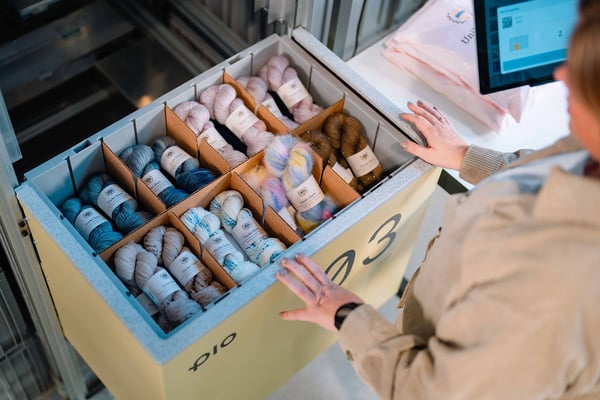
Automated Product Delivery: The correct product is brought directly to the picker's workstation, cutting unnecessary movement and wasted time.
-
Organized Bins: Products are separated with dividers, and the picker is guided to the exact location of the item in the bin.
-
Intuitive App: The app shows a clear image of the product and the quantity to pick, nothing to decode, nothing to guess.
-
Unified Picking and Packing: Picking and packing merge into one process with clear ownership and accountability.
-
Significant Savings: Fewer mis-picks means fewer costly errors to unwind, savings that land directly on your bottom line.
-
Scalability during Peak Seasons: Pio maintains high productivity and accuracy even when order volume spikes.
This plays out in real warehouses. Famme improved order accuracy with Pio and saw fewer returns, happier customers, and more repeat purchases. Privada Cigar Club went from weeks of backlog during big sales events ("as a company that prides itself on service, it was kind of embarrassing," says founder Brian Desind) to picking, packing, and shipping up to 6x more orders with pinpoint accuracy.
Get the order wrong and the damage goes deeper than a return label. Get it right, every time, and you earn the loyalty your business runs on.
Order Accuracy FAQ
-
What is order accuracy?
Order accuracy is the percentage of orders delivered without errors: correct item, correct quantity, on time, to the right address. It covers the full journey from order placement to delivery. -
What is the difference between order accuracy and picking accuracy?
Picking accuracy measures one step: selecting the right item in the right quantity from storage. Order accuracy measures the whole process, from order entry through shipping and delivery. High picking accuracy is necessary for high order accuracy, but not sufficient on its own. -
What causes order inaccuracy?
The most common causes are mispicks of similar-looking items, wrong quantities from misread pick tickets, poor stock rotation, and picker information overload. Nearly all of them come down to manual handling. -
How do you improve order accuracy?
Audit inventory regularly, track stock in real time, structure your picking process, monitor accuracy KPIs, and train staff consistently. Automation delivers the biggest jump: systems like Pio bring the right bin directly to the picker and guide every pick.