.webp?width=48&name=Employee-photos--3-2%20(1).webp)


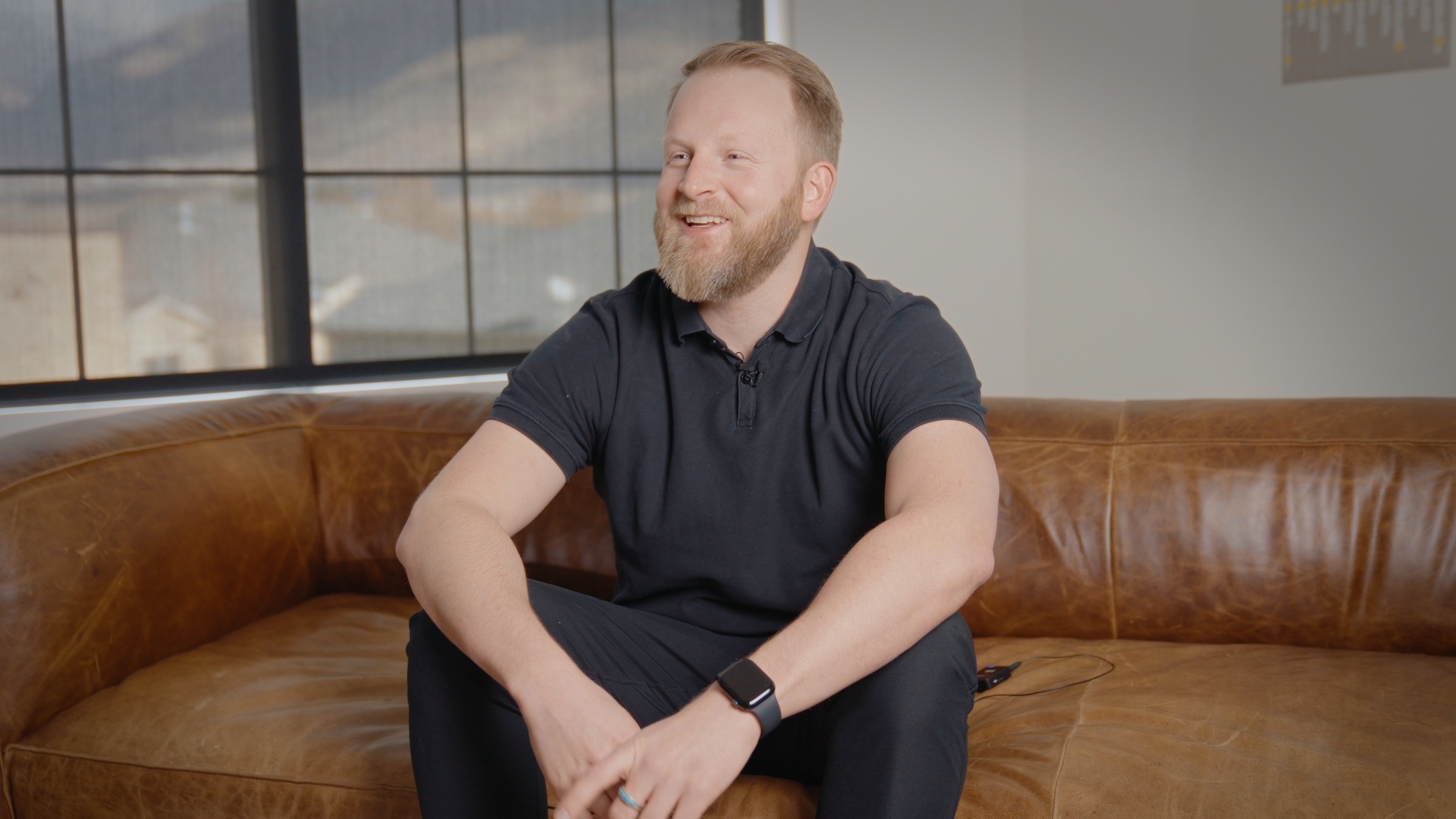
Connor MacArthur's journey into ecommerce began long before Souko Fulfillment was born. As a teenager, Connor was already fulfilling online orders from his home, turning every corner of his space into a makeshift warehouse.
“When I was in college, I ran ecommerce companies and was fulfilling orders out of my utility closet,” Connor recalls.
That evolved into the kitchen, which evolved into the garage, into a smaller warehouse, and then eventually a much larger warehouse.
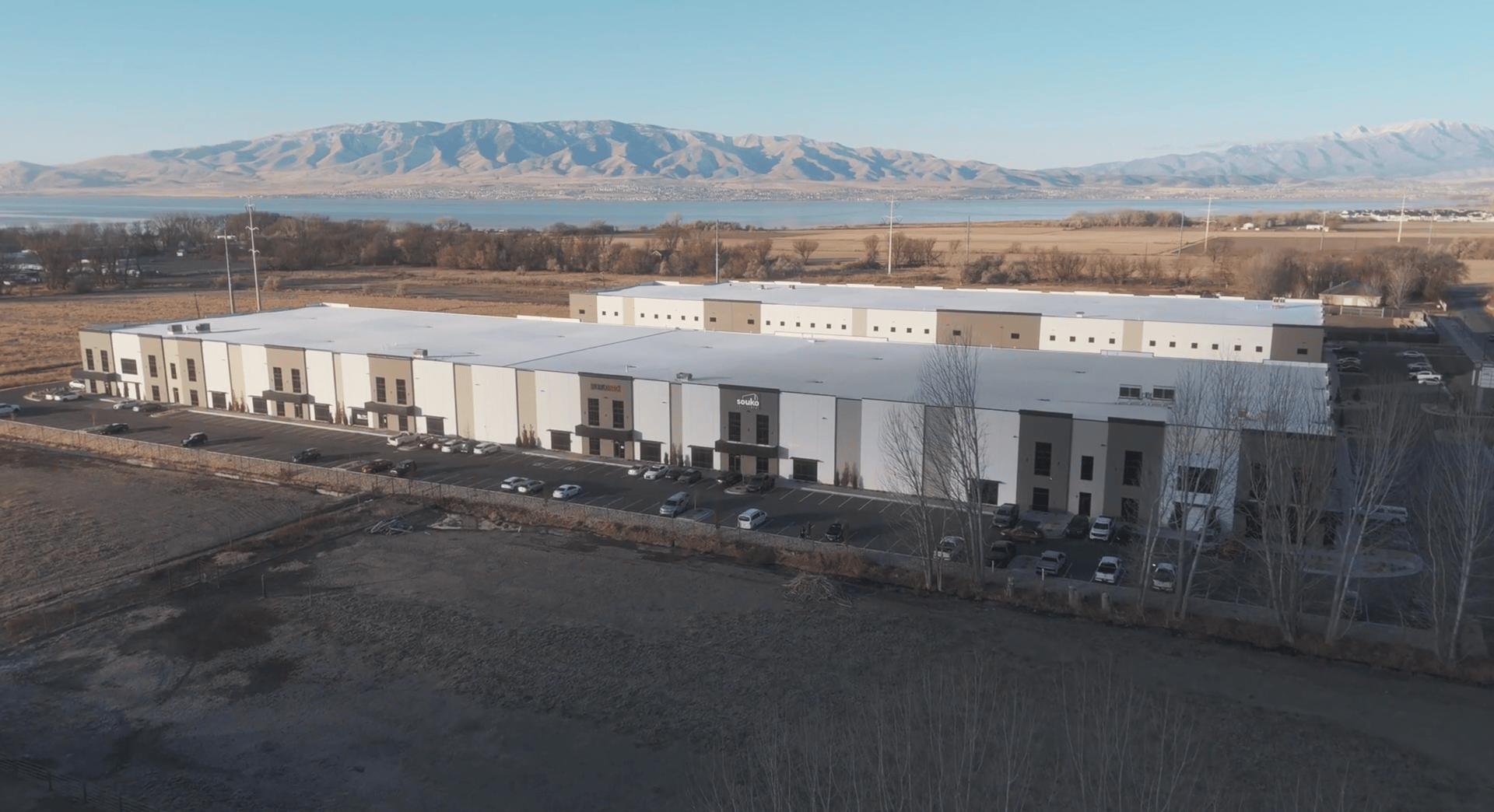
Those early days shaped Connor's understanding of ecommerce logistics. By the time Connor founded Souko, he had outgrown multiple spaces and was well-versed in the challenges of scaling fulfillment. Souko wasn’t just born out of necessity. It emerged from years of hands-on experience and the drive to build something better.
The name “Souko,” meaning “warehouse” in Japanese, is a nod to Connor’s early childhood spent living in Japan and his partner’s Japanese heritage. “Our intent was to embody some of those cultural aspects of Japanese precision, really great operational excellence,” he explains.
From closet to client-first 3PL
Initially, Souko existed to support Connor’s own ecommerce brands, but as the infrastructure grew, the company began offering fulfillment services to other friends and their businesses. This shift was driven by a desire to provide the same care and operational excellence to others, forming long-term partnerships instead of chasing quick wins.
“This industry is one of a lot of turnover, a lot of bringing on new clients, a lot of quick change, and that's not our intent. We want to make sure that we are building long-term relationships with people who can trust us,” Connor says. “We want to invest in our clients' success as much as our own.”
Growth came quickly, and with it, the need to scale operations even further. In the early days, the Souko team relied on manual processes and paper-based workflows. It worked, but only to a point. “We had limitations that were around space. We could only store so much inventory, and so we had a cap there, and then we also had an output cap. We could only get so many orders out in a day. And so that limited our growth,” Connor explains.
Souko’s growth has been steady, but certain moments stand out, like the day they shipped out about 4,000 orders. “That was huge for us because, you know, coming from a situation where we are shipping dozens of orders to being able to ship many thousands was a huge milestone for the company,” Connor shared.
Why Pio made the cut
Connor had been exploring automation long before he eventually adopted Pio. “I started looking into automation, honestly, probably eight or nine years ago and really got serious about it maybe five years ago,” he said. “I think that this machinery, this technology is so amazing and it's something that I wanted to take part in and it's something that I wanted to see improve our operations.”
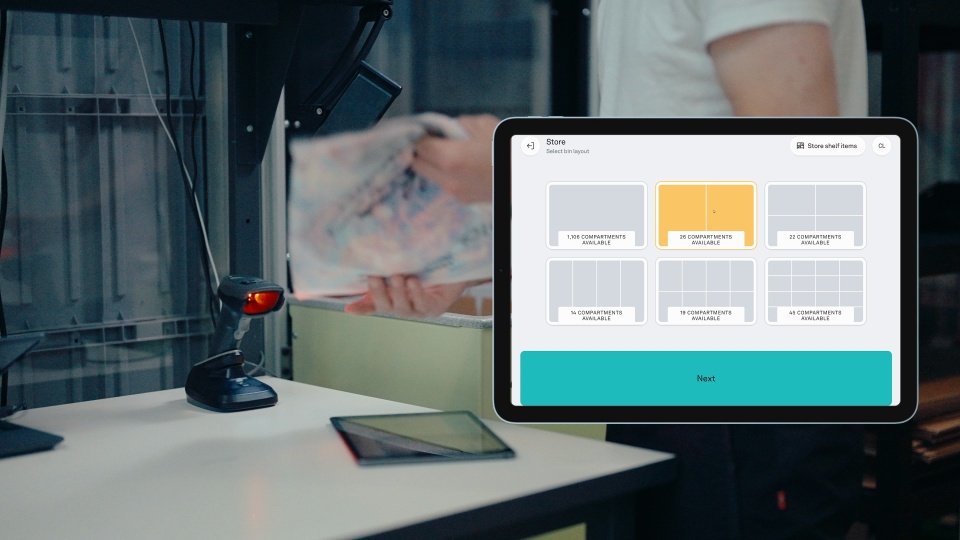
Connor chose Pio because of how seamlessly it integrated with Souko’s existing operations. Unlike other automation solutions that felt designed for massive enterprises, Pio’s technology was “very client forward” and tailored to fit into Souko’s current tech stack. “It was really easy for us to take our existing technologies and just add automation to what we had and that was already working,” Connor explained. This flexibility made the decision to implement Pio a straightforward one, allowing Souko to scale without overhauling their systems.
Before Pio, one of the biggest challenges was the manual and paper-based nature of their operation, which created inefficiencies and bottlenecks. “Prior to the installation of Pio, we had a lot of trouble with tracking performance, streamlining operations, and making sure we had unified processes,” Connor admits.
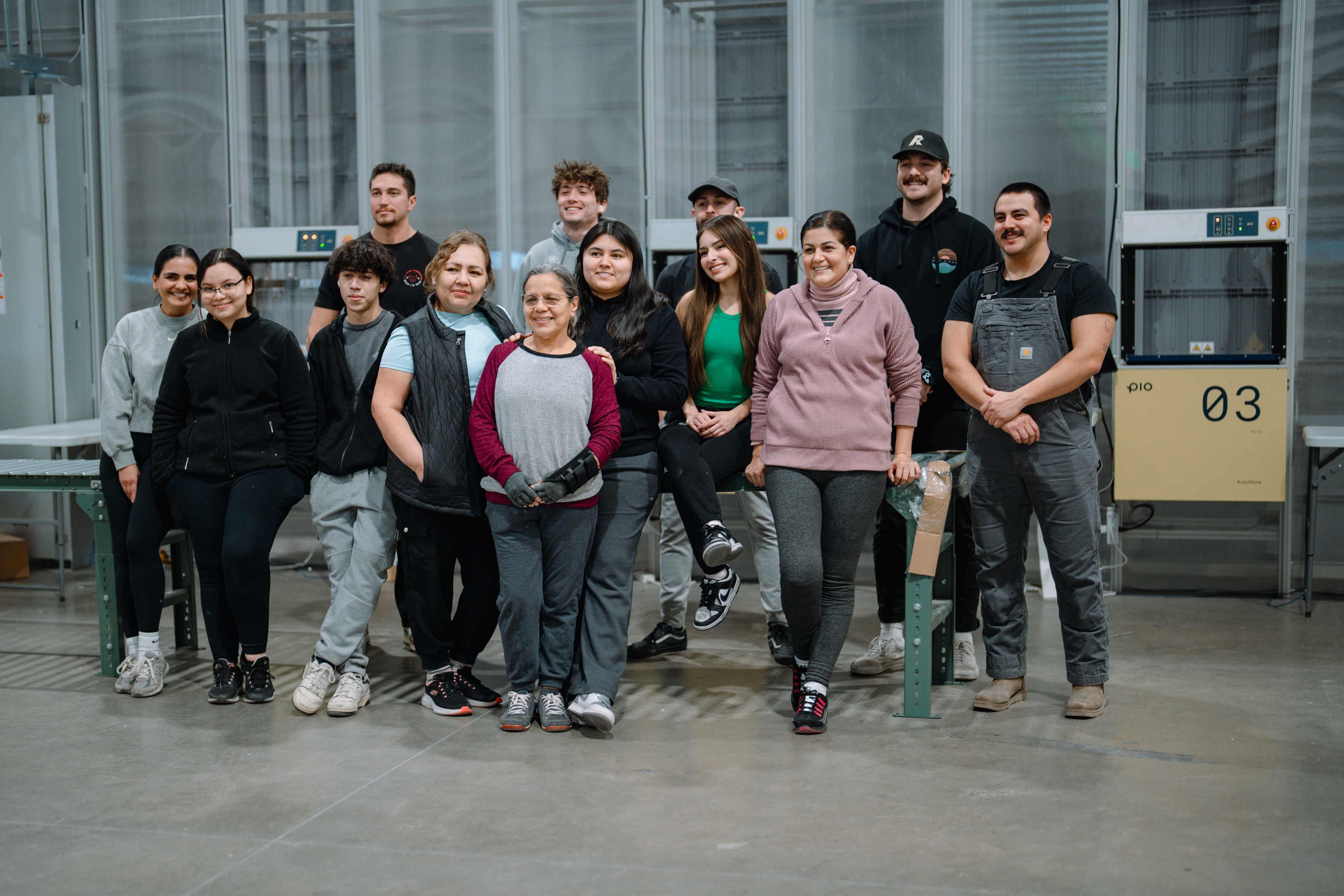
Since implementing Pio, Souko has transformed. Manual picking was replaced by seamless automation, freeing up space and streamlining workflows.
Connor’s team can now handle peak seasons more efficiently, reducing the need to hire large numbers of temporary workers for picking and packing. “We took on two new clients in November. So right during peak, we were emboldened. We felt we had the confidence to take them on at the time that is generally a blackout period for almost anybody else,” Connor shared. “It’s just so difficult to onboard… but Wyatt (Souko’s Operations Manager) felt great about it, so we moved forward.”
The numbers behind the story
Automation cut Souko's costs by up to 30 percent. Here's where the savings come from:
-
Labor: est. $241,920 per year. Picking that once took up to 15 people during peak now runs with 7-8 ($18/hour, 8-hour shifts, 7 fewer pickers). Souko didn't cut headcount, they reallocated staff to other operational roles. The figure shows the potential savings if headcount were reduced or hiring minimized as a result of automation.
-
Space: $56,000-$96,000 per year. Cube storage freed up at least 8,000 sq ft of their 40,000 sq ft warehouse. At Salt Lake City industrial rates of $7-12 per sq ft, that's rent and expansion costs they simply don't pay.
-
Speed: picking tripled. From 60-80 order lines per hour to 240-285, at 99.9% accuracy, which means fewer mis-picks and fewer returns.
"We needed automation that could bolt onto our existing operations without a massive overhaul. Pio fit the bill perfectly. The simplicity, cost-effectiveness, and space optimization were game-changers," Connor says. See how it all started in Souko's case study.
Built for the long haul
Connor’s advice to others considering automation is simple: “Just do it. I think we all put ourselves in a position where we get into analysis paralysis. Ultimately, the technology works, and automation is absolutely the future. We have to figure out ways to be more efficient.”
Even as Souko grows, Connor stays focused on delivering quality and fostering trust. “We really want to provide white glove service,” he said. “It’s not just about bringing on new clients quickly, it’s about making sure they stay with us for the long term.” Pio has helped streamline operations, but for Connor, the foundation of Souko remains unchanged: “It’s about making investments in our clients to make sure they’re successful.”
For Souko, success means building something that lasts. Connor envisions continued growth, bringing on additional clients and scaling their internal brands. “We feel like we're in a position where we could see a double or triple output,” Connor shares. “We have everything that we need to have the foundation to really grow. Long term, we expect to bring on additional clients. We expect to scale existing companies. And with everything that we have invested in and everything that we've built, we absolutely can achieve it."