
Clients rarely leave a 3PL over one bad day. They leave when the same problems keep coming back, and a competitor promises to fix them. Here's what drives 3PL client churn, and what makes clients stay.
1. Are orders going out wrong?
Order errors are the fastest way to lose a 3PL client. Your client's customer doesn't know or care that a 3PL packed the box. They blame the brand, and the brand blames you. A few wrong items during a big campaign can undo months of good work.
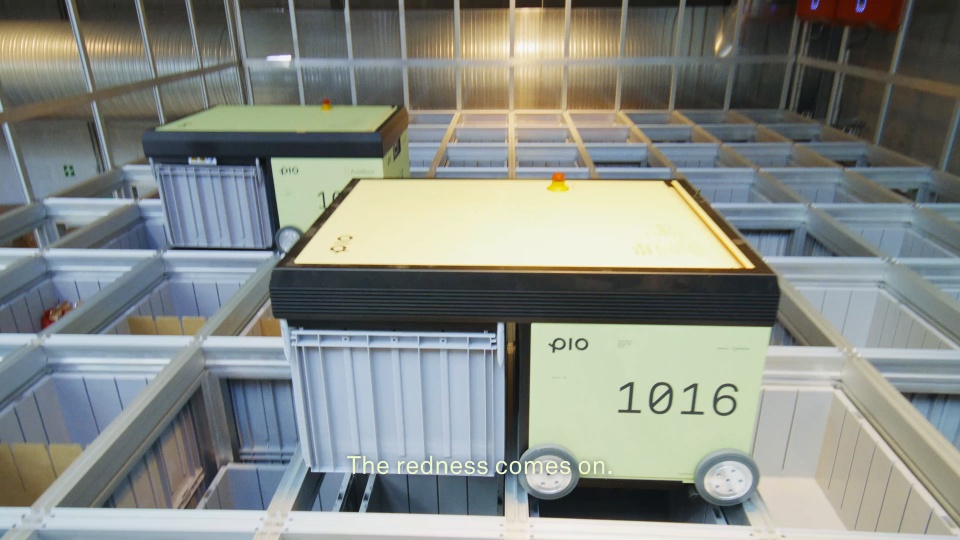
How to fix it: Build accuracy into your process, so it doesn't depend on people remembering every step. Scan every pick, keep inventory locations accurate, and keep a record of picking errors for each client you work with, so you can see where mistakes keep happening. Goods-to-person automation goes further: the right bin comes to the picker, so nobody has to search for the right shelf. Pio's automated picking reaches 99.9% accuracy.
Or, in short: stop letting mixups turn into customer breakups.
2. Can you keep up at peak?
Missed ship times during peak season are the second big reason clients switch 3PL providers. Black Friday, product drops and holiday rushes are exactly when your clients need you most, and when a manual warehouse is most likely to fall behind.
How to fix it: Plan peak season with each client months ahead, train your team so they can move between receiving, picking and packing, and agree on realistic cut-off times. If you automate, choose a system that can grow and shrink with demand. With Pio, you can add robots for peak season and remove them when it's quiet, so you don't pay for peak capacity all year. More in how to prepare your warehouse for Black Friday.
3. How good is your 3PL customer service?
Clients leave when they can't see what's happening with their inventory and orders. If every question about inventory or a missing order needs an email, a phone call and a manual check, working with you starts to feel slow and risky, even when the work itself is fine.
How to fix it: Give clients real-time inventory visibility and order status, for example through a client portal or their own ecommerce platform. Don't wait for them to ask: tell them early about low inventory, delays or carrier issues. Make sure your own team has live data too, so they can answer questions in minutes instead of days. The Pio app manages orders and inventory and connects with the ecommerce platform, ERP or WMS you already use, so everyone sees the same, up-to-date numbers. See how to integrate a WMS with ecommerce and ERP.
4. Is there room to grow with your clients?
A client that outgrows your warehouse will find one that fits. Growing brands add SKUs, launch new collections and sell in new channels. If you're already short on space, you can't say yes, and a competitor will.
How to fix it: Make better use of the space you have before signing a bigger lease. Use vertical storage to make the most of your building's height, group slow-selling products together, and improve slotting by storing fast sellers closest to packing. Automated storage helps even more: cube storage stores up to 10x more inventory in the same footprint, so you can grow with existing clients and take on new ones without moving. More ideas in how to maximize warehouse space.
5. Are your costs showing up in their invoices?
When labor, overtime and space get more expensive, clients feel it in their invoices. If prices go up while service stays the same, clients start comparing.
How to fix it: Before you raise prices, find out where you're losing time and money. In most manual warehouses, it's walking: pickers spend much of their shift going back and forth between shelves. Goods-to-person automation cuts manual work by up to 80%, so the same team handles more orders in a normal shift, and you don't have to pass every cost increase on to clients.
The 3PL KPIs clients watch
Most clients judge a 3PL on a handful of numbers. If you track and share these, you'll spot problems before your clients do:
- Order accuracy: the share of orders shipped with the right items and quantities.
- On-time shipping rate: the share of orders that leave the warehouse by the agreed cut-off time.
- Inventory accuracy: how closely the inventory in your system matches what's actually on the shelf.
- Dock-to-stock time: how long it takes for received goods to be ready to sell.
- Order cycle time: the time from when an order comes in to when it ships.
- Cost per order: your total fulfillment cost divided by the number of orders shipped. It shapes what you can charge.
Sharing these numbers in regular reviews shows clients you're in control, and gives you a chance to fix problems before they become a reason to leave.
How warehouse automation helps 3PLs keep clients
Most of the reasons above have the same cause: manual work that can't keep up as clients and orders grow. 3PL warehouse automation helps with several of them at once:
- Accuracy: goods-to-person picking with 99.9% accuracy
- Peak capacity: pick up to 5x faster, and add robots for peak season
- Visibility: real-time inventory, connected to your systems
- Space: up to 10x more inventory in the same footprint, so there's room for new clients
- Costs: up to 80% less manual work
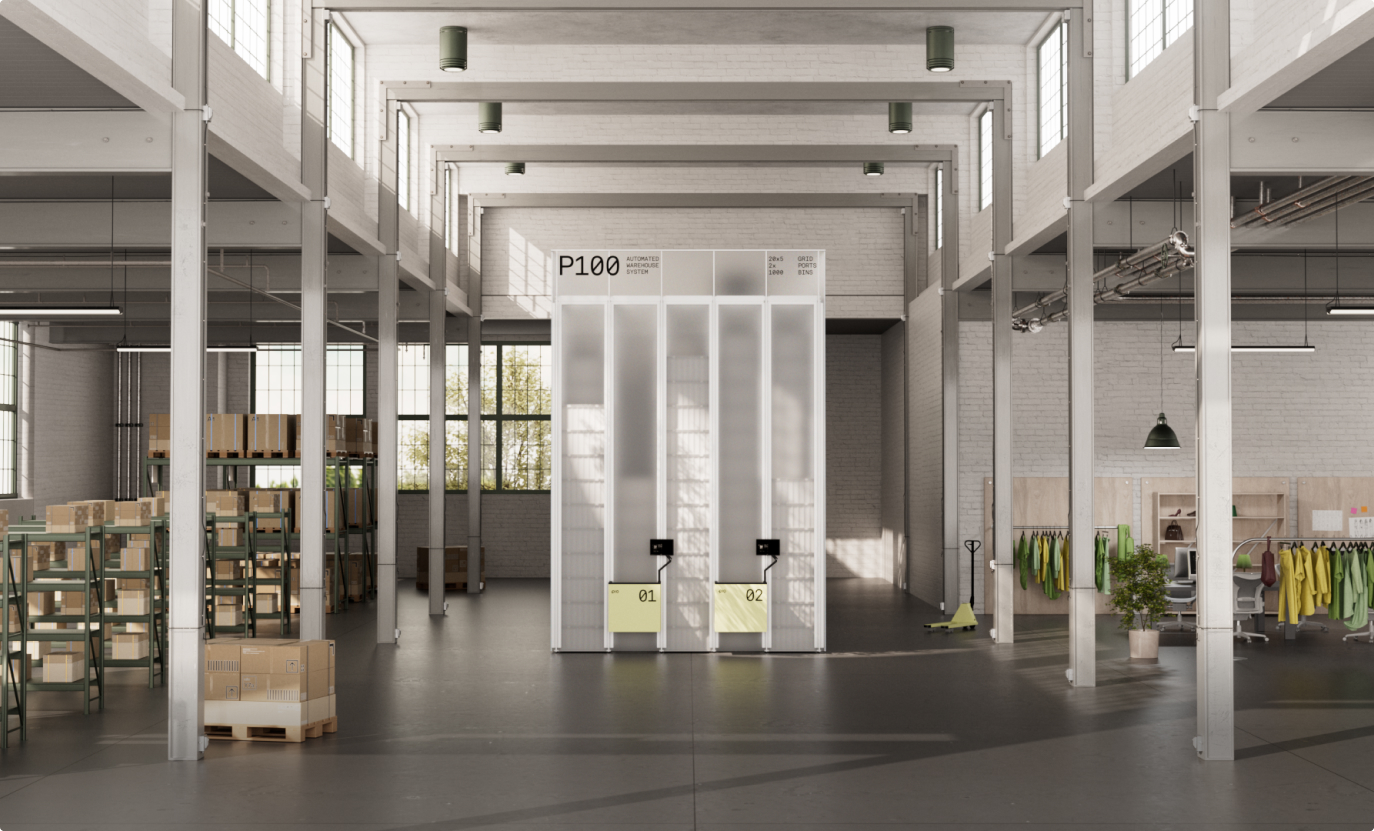
Pio for 3PLs, created by AutoStore, brings cube storage automation to small and mid-sized 3PLs. A standard P100 installs in as little as 5 days, and pickers are trained in as little as 5 minutes, so you can add capacity without a long project. See how Pio helps you stop losing customers.
Frequently asked questions
Why do 3PL clients leave?
The most common reasons are order errors, missed ship times during peaks, poor visibility and slow customer service, no space to grow with the client, and rising costs passed on through invoices. Most clients switch 3PL providers when the same problems keep happening, not after a single mistake.
How can a 3PL improve client retention?
By shipping accurately and on time, giving clients real-time inventory visibility, telling them about problems early, sharing KPIs in regular reviews and having room to grow with each client. Automation helps keep all of this consistent, especially during peak season.
What KPIs matter most to 3PL clients?
Order accuracy, on-time shipping rate, inventory accuracy, dock-to-stock time, order cycle time and cost per order. Clients use these numbers to decide whether a 3PL is worth staying with.
How can a 3PL take on more clients without more space?
By using the space it has better: vertical storage, smarter slotting with fast sellers closest to packing, and dense automated storage. Cube storage systems like Pio store up to 10x more inventory in the same footprint, so a 3PL can add clients without moving to a bigger building.
When should a 3PL invest in warehouse automation?
When accuracy drops during peaks, overtime becomes normal, space runs out or you're turning down new clients. Those are signs that manual work can't keep up anymore. Read 3 signs it's time to automate your warehouse.